


Evidence before you build
UX research and prototyping at EzGIG tests your idea with real users before engineering money is spent. We talk to the people you build for, put a clickable prototype in their hands and report what they did, not only what they said. It suits teams in Malaysia facing a launch, a pivot or a disagreement about direction.
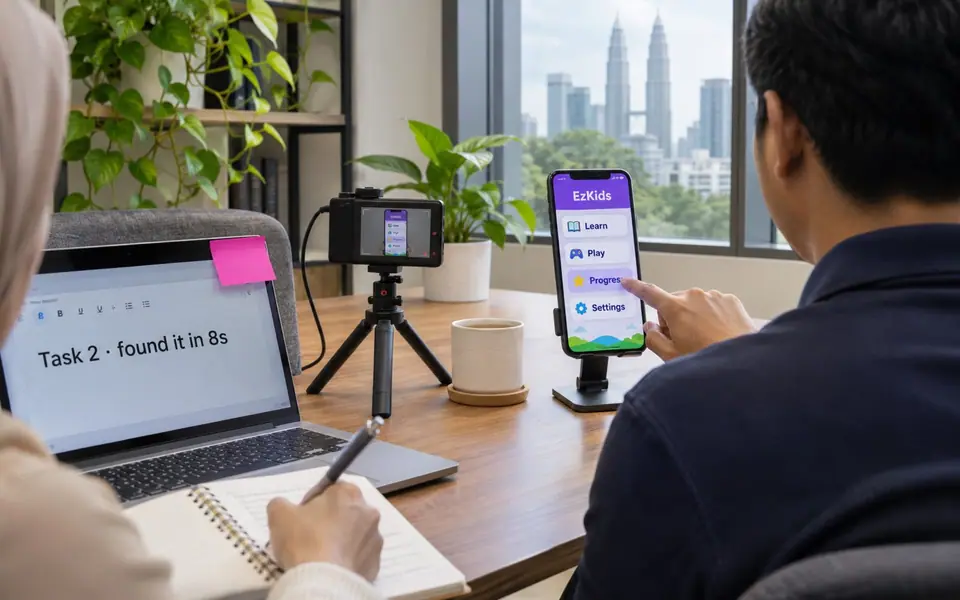
Six ways to replace guesses
Each study ends with findings your team can act on the same week.
User interviews
Conversations with the people you build for, about how they work today.
Usability tests
Real users try real tasks; we note where they get stuck.
Journey maps
Every step, feeling and pain point from first contact to goal.
Clickable prototypes
A model of the product to test before code is written.
Concept testing
Competing ideas put in front of users to see which holds up.
Findings report
What we saw, what it means and what to do next.
Pick the method by the question
Each method answers a different question, so we start with yours.
| Method | Answers | Use it when | You get |
|---|---|---|---|
| User interviews | What do people need, and how do they do it today? | Before design, or when unsure what users need | Themes, quotes and a journey map |
| Concept testing | Which idea is worth building? | Teams disagree on direction | Concepts compared, with reasons |
| Clickable prototype | Does the flow make sense before code? | A design is drafted | A prototype your team and investors can try |
| Usability test | Where do people get stuck? | Before launch, or on a live product | Task results and issues ranked by severity |
| Findings report | What should we do next? | At the end of every study | Recommendations tied to evidence |
Researched before it was built
Our own products went through the same process we sell.
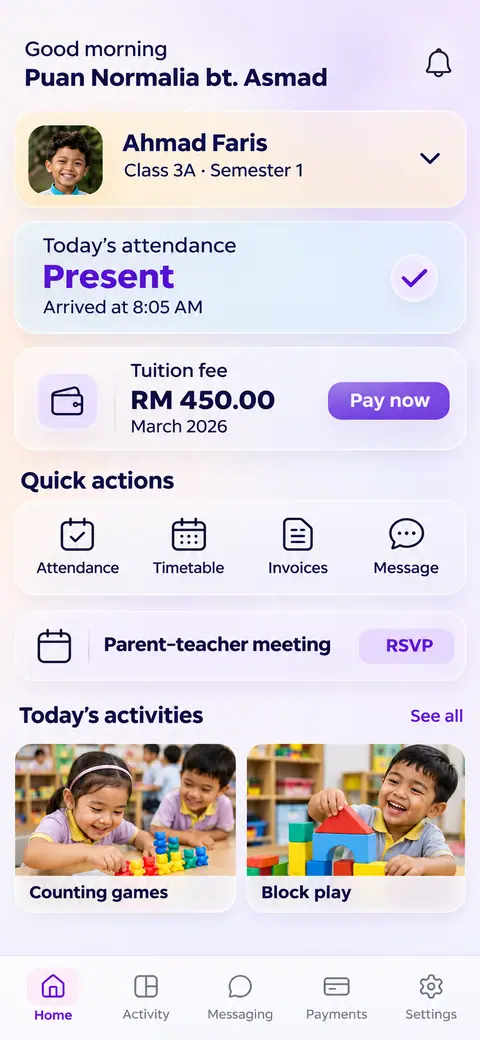
EzKids
One preschool system with five logins, each designed around what that role needs to do.
See Bright Hill Connect
When research saves money
A study pays back fastest before engineering time is committed.
A good fit if
- You're unsure what users need
- A launch is weeks away
- Teams disagree on direction
- You want evidence before spending
Probably not the right start if
- You already know the fix and need finished screens: see UI/UX Design
- Screens look different across teams: see Design Systems
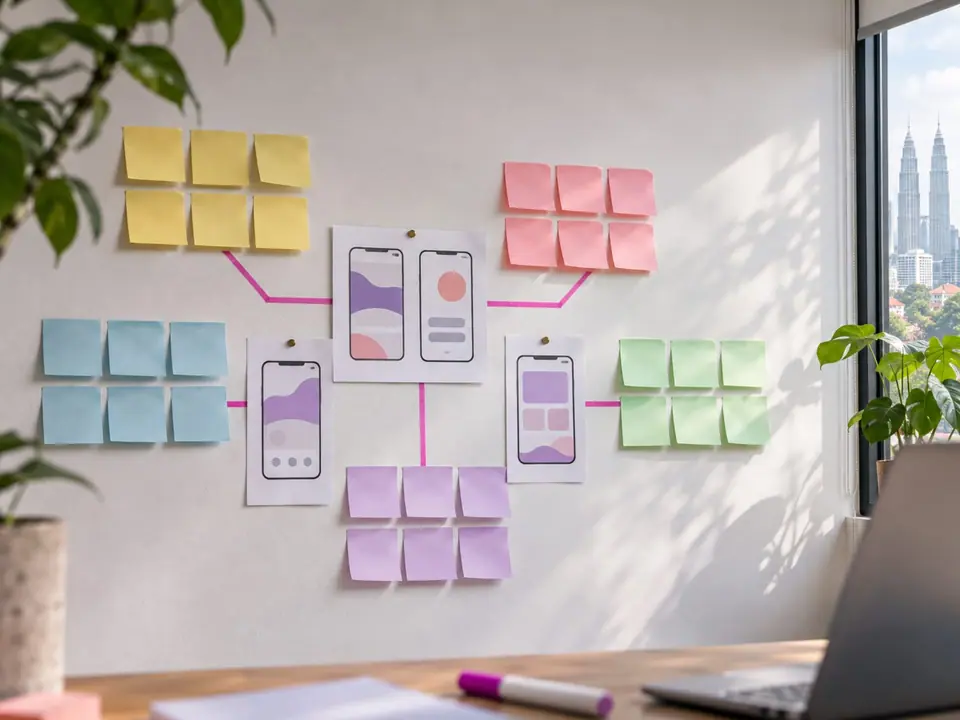
How a study runs
Small, fast rounds: test, fix, test again.
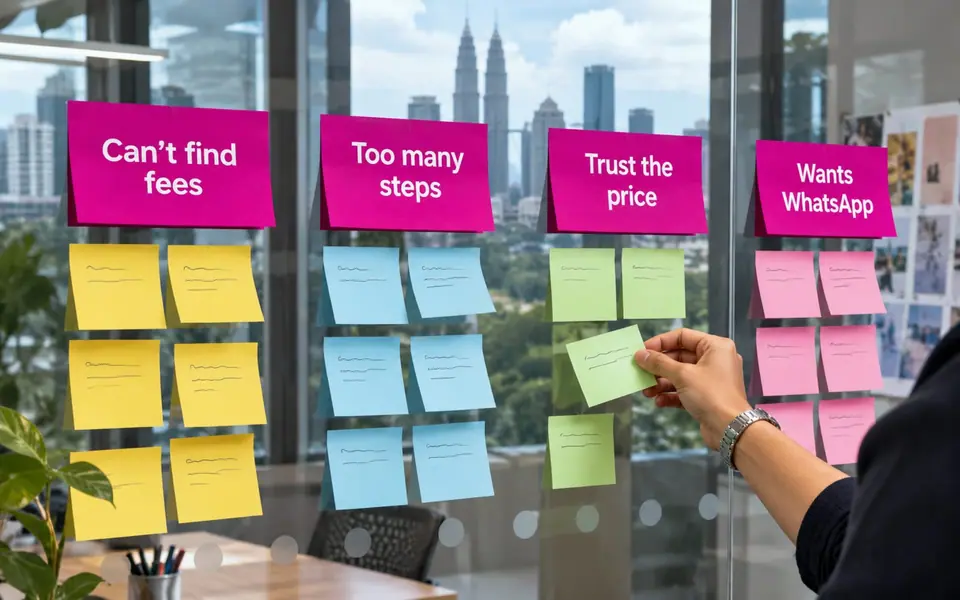
Plan
Questions, participants and method agreed with you.
Recruit
Participants who match the people you build for.
Run sessions
Interviews or tests, recorded with consent.
Report
Findings ranked, with an updated prototype.
Research sized to the decision
A study is scoped to the question you need answered, not a fixed number of weeks.
Fixed quote after discovery
A short brief and a discovery call come first; then you get a fixed quote for a defined scope.
You own the work
You own the findings, recordings and prototypes, as set out in your contract.
Three ways to work
A project with a set scope, a retainer for ongoing improvements, or a dedicated team alongside yours.
Questions about UX research
UX research is the study of how people use, or would use, your product, through interviews, tests and observation. It replaces guesses with evidence before you design or build.
A prototype is a clickable model used to test ideas, with no working back end. An MVP is a working first version of the product that real customers use.
Before you commit engineering budget: at the idea stage, before a launch, or when teams disagree on direction. It also helps on a live product when users drop off or call support.
Small rounds work best. A handful of participants per user group usually shows the main problems, so we test, fix and test again.
Send a short brief. We reply from [email protected] and set up a discovery call.
Yes, after discovery, for a defined scope.
You do, as set out in your contract.

-
Liftoff
Book a slot or send a quick brief. A real person on our team replies within one working day.
-
Mission briefing
A focused call on your goals, systems and site. We tell you straight what will work, and what won't.
-
Flight plan
A clear written plan shaped around your needs, with a fixed price and timeline. No surprises.